








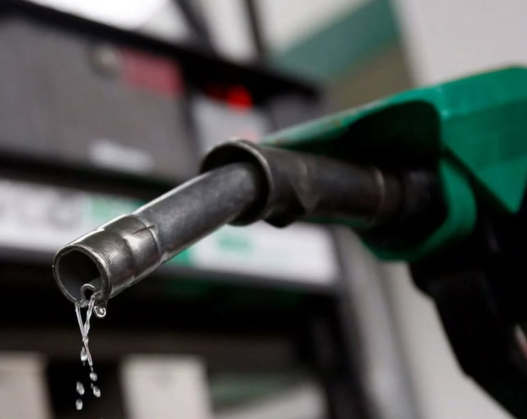
The National President of the Petroleum Products Retail Outlets Owners Association of Nigeria (PETROAN), Billy Gillis-Harry, has explained why petrol prices do not immediately decline whenever global crude oil prices fall, saying marketers are often still selling products purchased at higher costs.
Speaking on Nigeria Info FM’s Morning Crossfire, Gillis-Harry said fuel marketers require additional capital to replenish their stock whenever prices rise, making it difficult to reflect lower prices immediately when market conditions change.
He noted that many financial institutions are unwilling to provide loans at single-digit interest rates, leaving downstream operators with limited access to affordable financing. According to him, establishing an energy bank dedicated to the downstream petroleum sector would provide marketers with low-interest loans and enable them to respond more quickly to fluctuations in global oil prices. 
His remarks were in response to comments by the South-South Zonal Coordinator of the Federal Competition and Consumer Protection Commission (FCCPC), Uchegbu Chukwuka, who argued that consumers should benefit from lower petrol prices whenever crude oil prices decline.
Chukwuka, however, rejected the financing argument, maintaining that the delayed reduction in petrol prices is largely driven by anti-competitive practices within the downstream petroleum industry. He alleged that cartel activities and the reluctance of some operators to embrace healthy competition prevent consumers from enjoying the full benefits of falling crude oil prices.
The differing positions highlight the ongoing debate over fuel pricing in Nigeria, with industry operators citing funding constraints while regulators point to competition concerns as a major factor influencing pump prices.