







The Federal Government has reaffirmed its decision not to reinstate fuel subsidy, insisting that market-driven pricing remains central to its economic reform agenda.
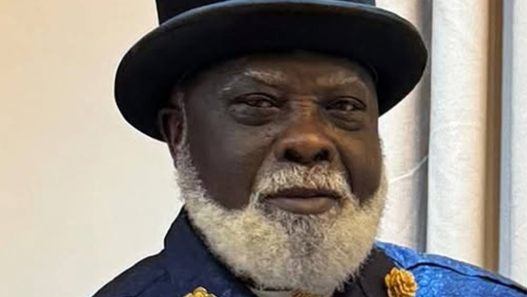
Speaking during an engagement with investors in Paris, the Minister of Finance, Taiwo Oyedele, maintained that the era of government-controlled petrol pricing had created long-term distortions in the economy. He noted that allowing market forces to determine fuel prices is a necessary step toward economic stability.
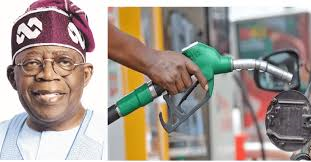
Oyedele appeared alongside President Bola Tinubu, who emphasized that the removal of subsidy has contributed to improved foreign exchange conditions, describing it as a critical component of broader fiscal reforms. 
The policy, introduced in 2023, has however come with significant short-term consequences. Rising fuel prices have triggered increases in transportation and the cost of goods, placing additional strain on households and pushing inflation to elevated levels across the country.
Despite public concerns over the cost of living, the government insists the reforms are laying the groundwork for sustainable growth. Oyedele pointed to improved economic indicators, including stronger GDP performance in 2025, and reiterated the administration’s ambition to grow Nigeria’s economy to one trillion dollars by 2030.
While the debate over the human impact of subsidy removal continues, officials argue that reversing the policy could undermine progress made so far in stabilising the economy.